
UN Warns Online Scams Drain Up to $114 Billion a Year From Asia-Pacific, Commends Cambodia's Crackdown
Online fraud has grown into a sprawling cross-border menace that is now draining as much as US$114 billion annually from East Asia, Southeast Asia, Australia and New Zealand, a senior United Nations official warned on Wednesday, adding that those losses continue to climb at an alarming pace.
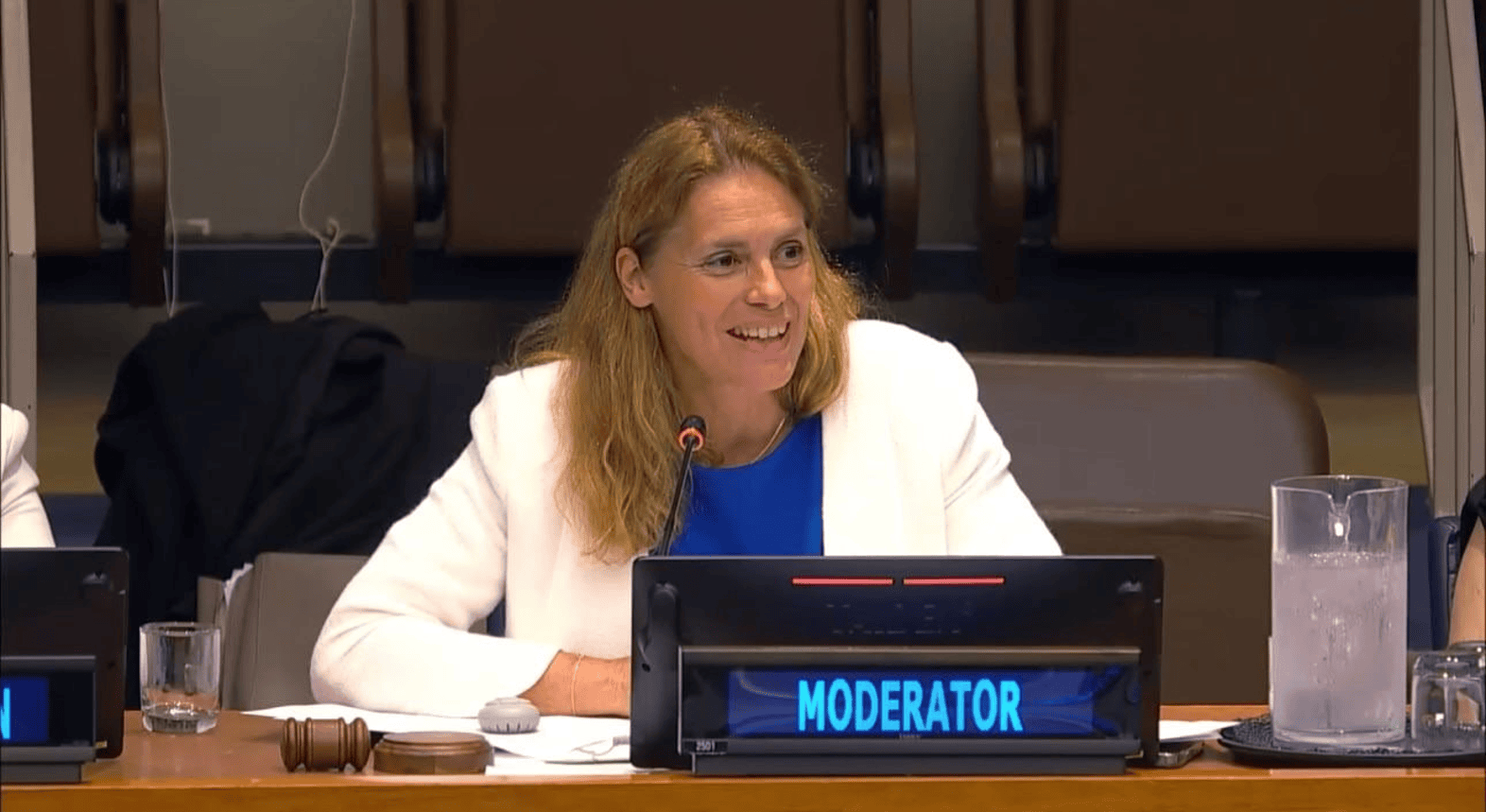
Delphine Schantz, who serves as the regional representative for Southeast Asia and the Pacific at the UN Office on Drugs and Crime (UNODC-ROSEAP), delivered the remarks on the opening day of the International Conference on Combating Online Scams held in Phnom Penh on September 23. She emphasised that the crime reaches every layer of society and chips away at public confidence in institutions as well as economic stability.
"Our most recent Transnational Organized Crime Threat Assessment for Southeast Asia estimates that scam-related losses across East Asia, Southeast Asia, Australia and New Zealand have reached as high as $114 billion each year, and that figure is climbing quickly," she said.
According to Schantz, these enormous illicit gains do more than weaken the rule of law — they are funnelled back into the criminal networks to fuel their expansion.
From Local Gangs to a Corporate-Style Criminal Economy
She explained that what were once scattered, locally based syndicates in Southeast Asia have consolidated into a polished, technology-driven criminal enterprise that mirrors corporate franchising, complete with dedicated divisions handling money laundering, human trafficking and the harvesting of personal data.
Schantz added that these networks are increasingly adopting and even building new tools — cryptocurrencies among them — to stay one step ahead of traditional policing methods.
Cambodia Singled Out for Progress
She pointed to Cambodia as an encouraging illustration of the region's strengthening response.
"Cambodia is a strong example of this. In recent months we have witnessed a rise in enforcement actions aimed at dismantling scam operations. Establishing the Commission for Combating Technology-enabled Scams (CCTC) sends a powerful message, and this conference is yet another sign of a willingness to work together," she said.
Even as she welcomed this momentum, Schantz urged deeper progress on several fronts: a shared understanding of how these crimes are evolving, consistent regulatory frameworks, improved handling of digital evidence, tighter cooperation between agencies and the private sector, and enduring political resolve — so that the response delivers lasting results rather than merely pushing the problem elsewhere.