
ADB lowers Cambodia's 2026 growth outlook to 3.9% as tourism weakens
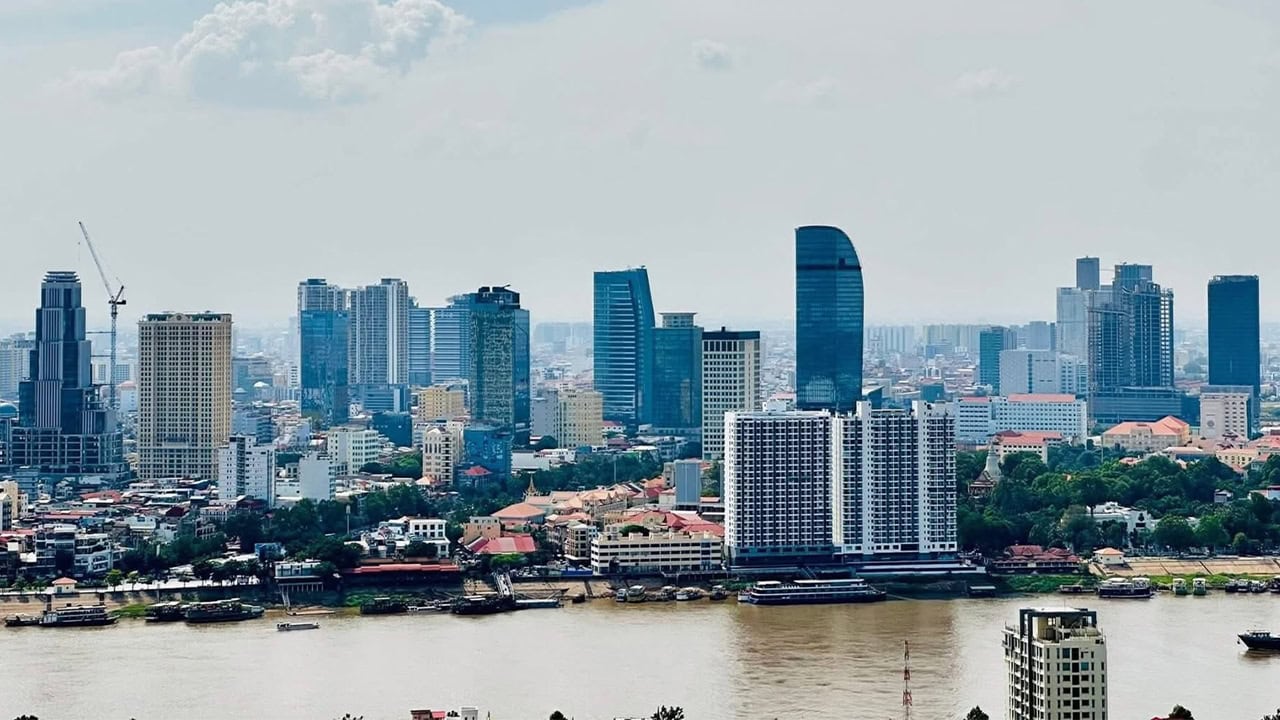
The Asian Development Bank (ADB) has revised down its projection for Cambodia's economic expansion in 2026 to 3.9%, compared with the 4.1% it forecast in July, pointing to softer-than-expected tourism and related services activity.
In its Asian Development Outlook (ADO) September 2026 report, released on September 23, the bank said growth should pick up to 4.7% in 2027, buoyed by steady manufacturing performance, a broader mix of exports and ongoing foreign investment.
"Cambodia's economy continues to demonstrate resilience," said Yasmin Siddiqi, the ADB's country director for Cambodia. "Strong manufacturing exports and buoyant investment inflows are helping offset tourism sector challenges. Continued efforts to diversify the economy, enhance competitiveness, support vulnerable households and strengthen resilience will be important for sustaining inclusive growth," she added.
The bank also lifted its inflation outlook, attributing the change to steeper global oil prices and higher import costs. Price growth climbed from 2.6% year on year in February to 7.2% in May, then eased back to 5.5% in July.
It now projects inflation will average 4.7% in 2026 before falling to 2.8% in 2027, with fuel tax relief and a broadly steady riel expected to keep a lid on prices.
Fiscal policy is set to stay supportive, with spending on infrastructure, human capital and social protection under the "Comprehensive Intervention Program" expected to help keep activity firm.
The current account deficit is forecast to widen in 2026 as import costs rise and tourism earnings fall, though strong foreign investment should continue to bolster international reserves.
Industry leads the way
Industry remains the biggest contributor to growth, with non-garment manufactured exports up 38.4% year on year in the first half of 2026.
The rise reflects a shift toward higher-value goods such as electrical components, vehicle parts, tyres and wooden products. Garment exports grew 6.3% to $8 billion, while construction and real estate stayed sluggish.
Services, by contrast, are expected to underperform earlier estimates as tourism continues to contract.
International arrivals dropped 47.9% year on year to 1.8 million in the first six months of 2026, leaving them at just over half of pre-pandemic levels, according to the ADB.
The bank blamed persistent geopolitical tensions and the closure of the Cambodia-Thailand land border for dragging on tourism-linked sectors such as transport, hospitality and trade.
Agriculture is set to contribute modestly to growth, helped by demand for cashews, cassava and milled rice.
The ADB said risks to the outlook remain skewed to the downside, including possible El Niño-related weather disruptions in late 2026 and early 2027.