
Ayurveda for a Healthier Future: Ancient Wisdom for Modern Well-Being
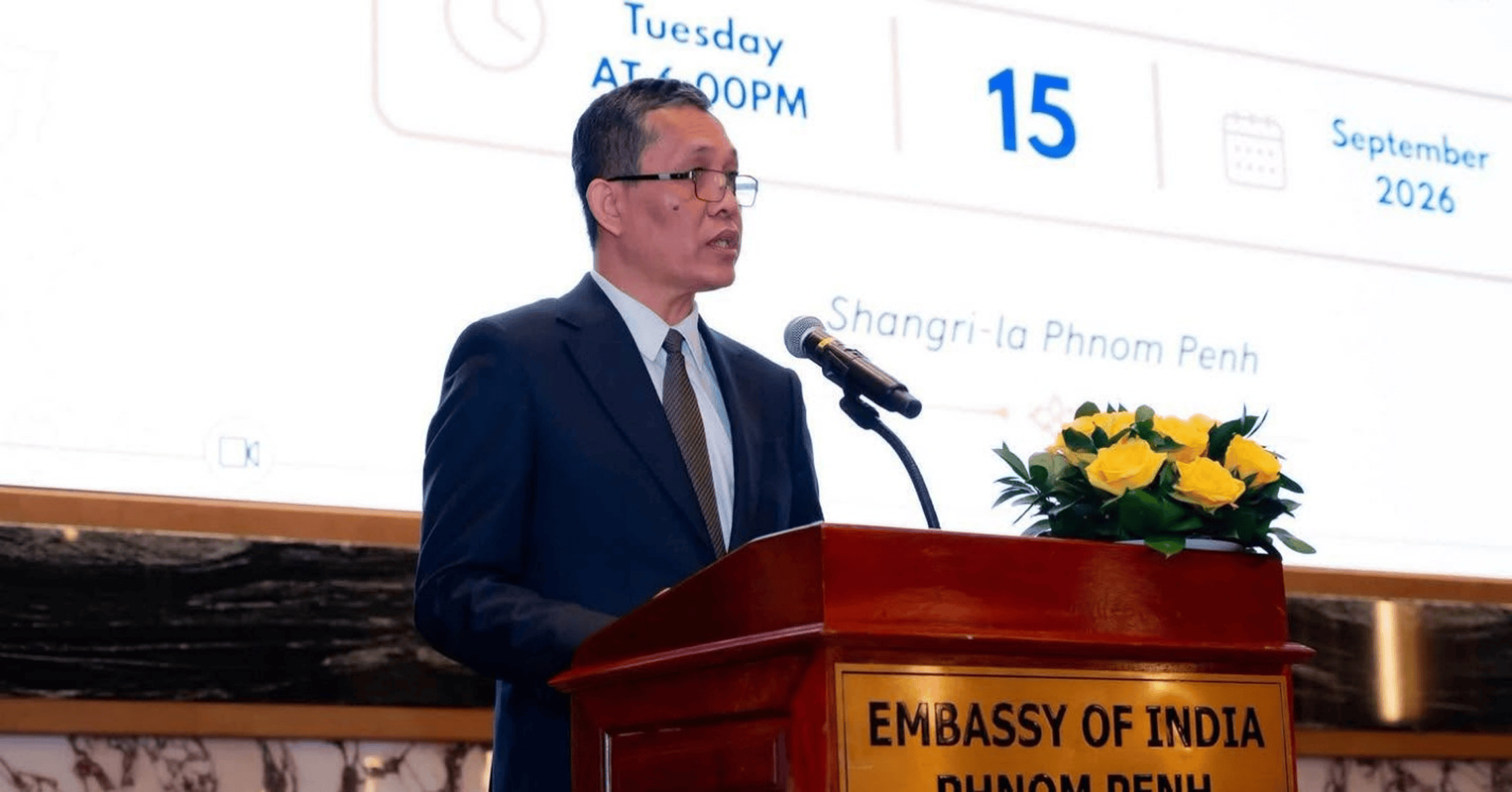
September 23 marks the 11th Ayurveda Day, observed this year under the theme “Ayurveda for a Healthier Tomorrow.” The theme captures the enduring value of Ayurveda and its contribution to healthier people, stronger communities and a more sustainable way of living.
An Ancient System With Modern Relevance
Ayurveda is India's age-old system of healthcare and knowledge, practiced for thousands of years across the subcontinent. Far from being a relic of the past, it remains highly relevant today as a holistic approach to healing and well-being.
At its core, Ayurveda focuses on preventing disease and maintaining harmony among the body, mind, daily habits and the natural environment. It highlights the importance of balanced diets, regular daily routines, physical fitness and preventive care — principles that align closely with the rising global interest in wellness and healthy lifestyles.
The strength of Ayurveda today lies in its ability to connect traditional wisdom with contemporary science. By combining heritage knowledge with modern research, scientific validation, quality control and innovation, the system preserves its historical roots while adapting to present-day healthcare needs.
Institutional Support and Development
Recognizing the significance of traditional medicine, the Government of India created a dedicated Ministry of AYUSH in 2014 to promote Ayurveda and other Indian systems of medicine. Over the last 12 years, the ministry and its affiliated institutions have worked to advance education, research, healthcare delivery, infrastructure, quality assurance and international collaboration across AYUSH disciplines.
Key initiatives include the National AYUSH Mission, which has helped expand and strengthen healthcare services and infrastructure. The government has also supported research programs such as AYURSWASTHYA, while the AOGUSY scheme aims to improve the quality, development and manufacturing standards of AYUSH medicines and the wider traditional pharmaceutical sector.
Alongside these efforts, India is placing greater emphasis on the conservation and sustainable use of medicinal plants, a vital resource for traditional medicine. Together, these measures reflect a broader vision of integrating traditional knowledge into an accessible, evidence-based and modern healthcare system.
A Natural Bridge Between India and Cambodia
Marking Ayurveda Day in Cambodia carries special significance, given the long-standing historical and cultural ties between the two countries. India and Cambodia have been linked for centuries through Buddhism, art, architecture, learning and people-to-people exchanges, with the heritage of Angkor standing as a lasting symbol of that shared civilization.
Within this close relationship, there is strong potential for deeper cooperation in traditional medicine, wellness, medicinal plants, education, research and capacity building. Cambodia's expanding tourism and hospitality industry also opens new avenues for collaboration in preventive healthcare and wellness practices.
In recent years, Ayurvedic products have begun to appear more frequently in the Cambodian market, with growing visibility in major cities such as Phnom Penh and Siem Reap.
India has been actively encouraging international engagement in Ayurveda through institutional partnerships, academic exchanges, joint research, training programs and expert exchanges. Exploring similar avenues with Cambodian partners could benefit both sides.
Ultimately, the message of “Ayurveda for a Healthier Tomorrow” is about prevention, balance and overall well-being. Building a healthier future depends not only on advances in medical treatment, but also on greater awareness of lifestyle, nutrition, exercise, mental health and living in harmony with nature. As the 11th Ayurveda Day is celebrated, it offers an opportunity to look ahead while staying rooted in the wisdom of the past.